
From Intent to Action: Why Some Youth Persist and Others Pause in Youth Employment, Education, and Skill Acquisition
Why do some young people persist in school, training, or job-seeking, while others pause even when opportunities exist?
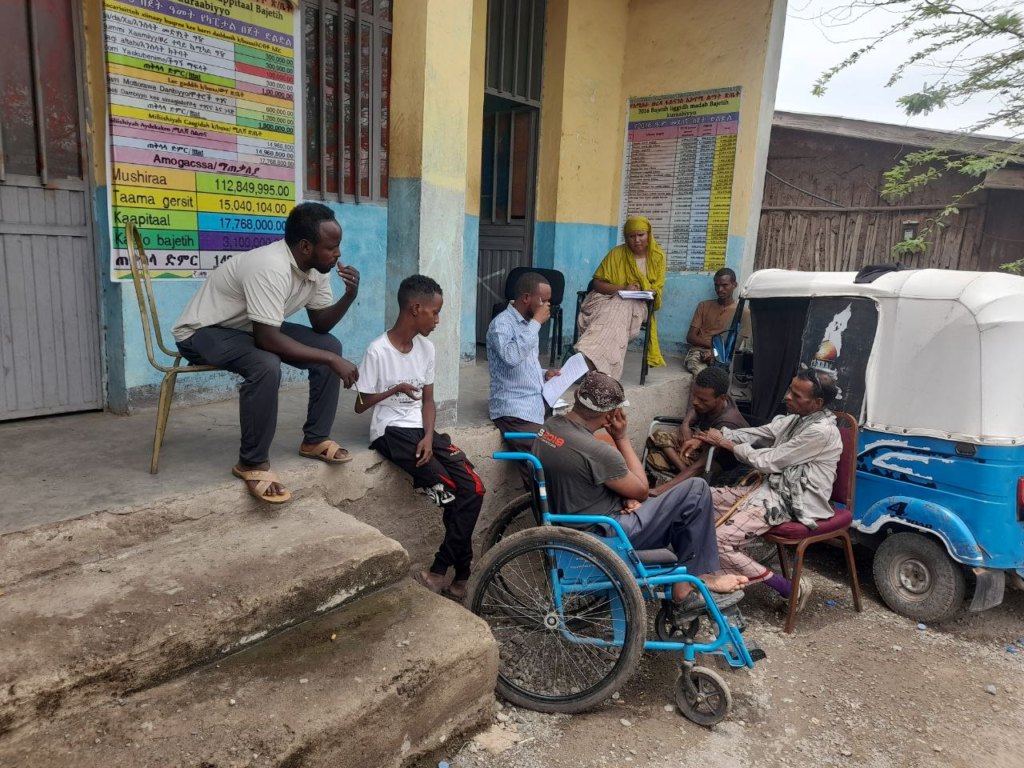
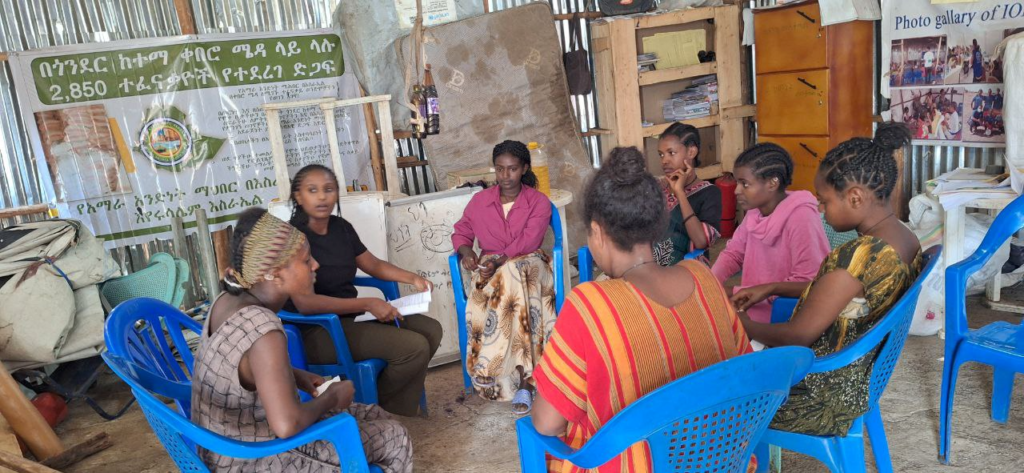
Across Afar, Amhara, and Tigray, youth described that decisions are rarely made on information alone. Choices are shaped by self-belief, fear of failure, social permission, and whether pathways feel credible inside everyday relationships and local norms. In the context of the Biqu Wetat (ብቁ ወጣት) Programme, BIRD Lab, in partnership with UNICEF and support from Mastercard Foundation, conducted the study titled “Behavioral Insights Study: Analyzing Youth Employment, Education, and Skills Development Barriers and Enablers Across Afar, Amhara and Tigray Regions of Ethiopia.” The work examined barriers and enablers shaping youth engagement in employment, continued education, and skills development/skill acquisition, and identified behavioral solutions grounded in the evidence.
Key facts (At a glance)
Study sites: Afar (Amibara Woreda), Amhara (Gondar City and surrounding kebeles),
Tigray (Hawzen Woreda)
Fieldwork: 14–22 August 2025 (training: 11 August 2025)
Methods: 27 focus group discussions, 27 in-depth interviews, 21 key informant
interviews (75 sessions total)
Framework: UNICEF Behavioral Drivers Model
Programme focus reflected in the sample: female youth intentionally oversampled in
recognition of programme targeting and disproportionate barriers
A behavioral lens: what drives action (and withdrawal)
Using UNICEF’s Behavioral Drivers Model, the analysis shows how beliefs and social expectations interact to shape behavior. Across pathways, two behavioral patterns stood out:
1. Confidence is not fixed. It rises when youth experience small wins, encouragement, and visible proof that “people like me can do this.”
2. Social validation is decisive. Youth often act when family, peers, and trusted local actors communicate approval, not ridicule or doubt.
What youth shared across three pathways
1) Skill acquisition: “permission to learn” comes before learning
For many participants, skill acquisition began with an inner question: am I allowed to try? Social judgement, stereotypes, and fear of making mistakes in “non traditional” trades shaped whether many young women felt they could persist.
As one young woman explained, “They said I was acting like a man… I stopped to keep peace.” The findings also show how engagement strengthens when encouragement is repeated by trusted mentors and peers, and when learning happens in supportive group environments that build belonging and accountability.
2) Continued education: persistence depends on identity, belonging, and dignity
Continuing education was often described as an emotional and social process, not only an academic one: confidence, motivation, peer influence, and stigma shaped whether returning felt possible and worth the risk. In school settings, daily experiences that signal dignity influenced willingness to attend
consistently: As one participant put it, “I stay home during menstruation because I have no place to change or wash.” These accounts underline how small, repeated experiences accumulate into either commitment or quiet disengagement, reinforcing the importance of behavioral solutions that strengthen belonging, respect, and encouragement.
3) Employment: fear of failure and social expectations shape job-seeking
Employment choices were shaped by confidence, emotional readiness, and whether jobs felt acceptable and realistic within local expectations. The analysis also highlights how stigma can narrow perceived options, including for youth with disabilities. A recurring enabler was bundled support that combines training with practical guidance and mentorship, helping youth translate intention into action steps: As one young woman shared, “If you give me money and training… if you train me, I will continue with it.”
Behavioral solutions snapshot (based on the study findings)
Behavioral solutions were identified across the three pathways, emphasizing approaches that strengthen self-efficacy, increase social proof, shift norms, and use trusted messengers to make opportunities feel credible and doable.
Employment
Role model and “pragmatic pathway” messaging to shift expectations toward viable options and reduce discouragement.
Guided, low-stakes first steps (practice applications, coaching, mentoring) to reduce fear of failure and strengthen confidence.
Norm-shaping and social validation through respected channels so young women’s choices are supported, not policed.
Continued education
Mentoring and visibility to rebuild self-belief through peer circles, storytelling, and recognition of small wins.
Positive identity and recognition approaches to counter ridicule, reframe return-to- learning as respected, and make persistence socially rewarded.
Teacher empathy and reinforcement that makes schools feel supportive and worth re- engaging with.
Skill acquisition
Low-risk “try-outs” and relatable role models to rebuild confidence and reduce anxiety about technical learning.
Public recognition and exhibitions to elevate the status of skills and create social proof that learning leads somewhere.
Goal-setting and reflection embedded into training so youth see progress and sustain motivation to complete.
Listening closely to youth experiences, the BI work shows how belief, social approval, and trusted messengers shape whether young people take the next step and keep going. Turning these behavioral drivers into practical solution options helps programmes design supports that feel credible, socially supported, and doable—so youth can move from intention to sustained action.